

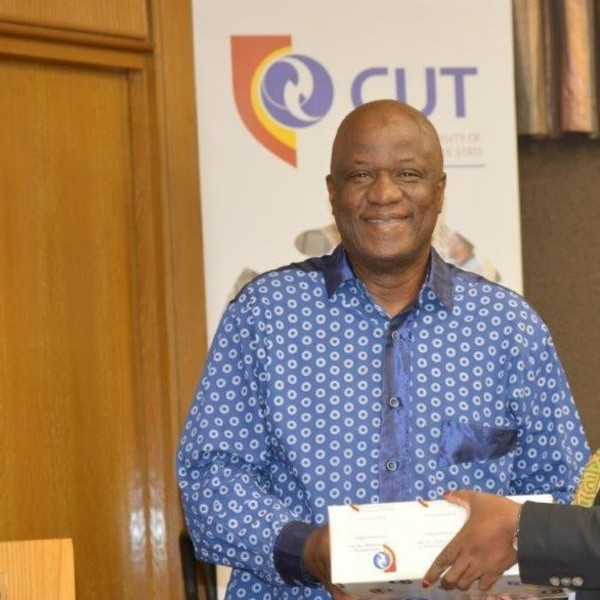
Moses Kau
Political analyst Moses Kau has come out strongly against some Members of Parliament who seem bent on undermining the testimony of KwaZulu-Natal Police Commissioner Lieutenant General Nhlanhla Mkhwanazi.
In his view, the ongoing Parliamentary Ad Hoc Committee and the Madlanga Commission will make it easy to spot who stands for truth and who protects their own side. Kau warns that history will not be kind to those MPs who try to paint Mkhwanazi as the bad guy instead of focusing on cleaning up the criminal justice system.
This comes as South Africa grapples with deep-rooted problems in its police and courts, with both probes digging into claims of corruption and criminal ties.
Kau’s comments highlight a bigger issue: how inquiries like these often face pushback from those with something to hide. With the country still healing from past scandals, his words remind us that real change needs honest leaders who put the people first.
Kau’s Take on MPs’ Bias and Turf Protection
Kau pulls no punches when talking about certain MPs in the Ad Hoc Committee. He says some come across as defending their political parties rather than seeking the facts. “When you listen to the Members of Parliament, who should be as objective as the Commissioners in the Madlanga Commission, you now and then feel that element of ‘defending the turf’, discrediting the evidence of witnesses who are not in sync (especially with their (MP ‘s political Parties), or creating doubts in our minds,” Kau notes.
He points out that a few MPs, including the committee chairperson Soveit Lekganyane, ask questions in a way that hides their party ties. But others show clear conflict through their line of questioning and behaviour. Kau feels these lawmakers are torn between loyalty to their groups and doing the right thing. He believes they are “protecting the turf” at the cost of justice.
For Kau, the split is clear: some back efforts to cleanse the system, while others work hard to discredit strong witnesses like Mkhwanazi. He warns that “history will judge them harshly” for choosing sides over truth.
Mkhwanazi’s evidence has been at the heart of both probes. He has testified about criminal networks infiltrating the police, with links to politicians and even judges. His claims include top cops taking bribes from crime bosses, leading to a breakdown in law enforcement.
Differences Between the Ad Hoc Committee and Madlanga Commission
Kau breaks down what sets the two bodies apart. The Parliamentary Ad Hoc Committee focuses on specific claims, like breaches of law or the disbanding of the Political Killings Task Team (PKTT). Set up in September 2025, it looks into national security threats from Mkhwanazi’s allegations of corruption in the criminal justice setup.
On the other hand, the Madlanga Commission, started in July 2025 and chaired by Justice Mbuyiseli Madlanga, has a wider scope. It probes criminal acts, political meddling, and rot in the South African Police Service (SAPS), National Prosecuting Authority (NPA), and judiciary. The commission can suggest prosecutions, sackings, and fixes to stop future problems.
Kau sees the Madlanga Commission as stronger because it can dig deeper. “It will be a ‘walk in the park’ for the Madlanga Commission, to refer matters for immediate criminal investigations, arrests, or recommendations on who should be fired,” he says.
But he notes one downside: the commission’s suggestions are not binding on the President. Still, with hearings showing explosive claims – like former Police Minister Bheki Cele allegedly demanding a R1 million bribe from businessman Vusimuzi “Cat” Matlala, who claims he paid R500 000 in cash – the probe could lead to real accountability.
Capacity Gaps and Challenges in the Probes
A big point for Kau is the Ad Hoc Committee’s lack of tools to check facts. “The Ad Hoc Committee, apart from listening to allegations made in front of them, some of which are possibly spurious, does not have the capacity to independently, investigate the truthfulness of the statements made in front of them,” he explains.
For example, when Matlala says he gave cash to Cele, but Cele denies it, how can the committee decide who is right without proof? They lack investigators, forensic experts, or ways to do lifestyle checks and vetting. As a short-term group, they rely on witness credibility, which can be tricky with hearsay.
The committee’s deadline was 31 October 2025, but it got pushed to 20 February 2026 because they need to recall witnesses for cross-checks. Hearings have included dramatic moments, like Matlala testifying from Kgosi Mampuru Prison about Cele’s alleged extortion and links to police power struggles.
The Madlanga Commission, however, has the setup to probe deep. It has heard from Mkhwanazi about cartels infiltrating SAPS, with ties to figures like Matlala. The first report is due by 17 December 2025, with the full one by March 2026. Acting Police Minister Firoz Cachalia has called it a “reset” the police need to restore trust.
Lessons from Past Commissions of Inquiry
Kau lists many commissions since 1994 to show how reports often gather dust. He asks: What came out of them? Were suggestions followed?
Here are some key ones and their outcomes:
- Truth and Reconciliation Commission (TRC), 1995: Looked into apartheid abuses. It gave amnesties to some who told the truth, but many victims feel reparations fell short. Reports helped heal, but full justice remains unfinished.
- The Jali Commission, 2001: Probed prison corruption. It led to some sackings and reforms, but problems like overcrowding persist.
- The Hefer Commission, 2003: Checked claims of spying on judges. It cleared most but showed tensions in the justice system.
- The Khampepe Commission, 2005: Reviewed the Scorpions unit. It backed keeping it, but political moves later disbanded it.
- The Ginwala Commission, 2007: Looked at Vusi Pikoli’s suspension as NDPP. It cleared him, but he was still fired, raising bias concerns.
- The Seriti Commission, 2011: Arms deal probe. It found no wrongdoing, but critics called it a whitewash, with little action.
- The Marikana Commission, 2012: After police killed 34 miners. It blamed police tactics and called for changes, but few faced charges, and compensation dragged on.
- The Fees Commission, 2016: Student funding. It suggested free education for poor, leading to policy shifts, but rollout faced hurdles.
- The Zondo Commission, 2018: State capture. It named many in corruption, leading to some arrests like Zuma’s, but slow prosecutions frustrate many.
Kau’s point is clear: Great reports mean little without follow-through. He hopes the Madlanga Commission breaks this pattern, but doubts linger given history.
In the end, Kau calls for real maturity from leaders. With the lines drawn between truth-seekers and protectors, he believes the people expect a clean system. Those discrediting strong voices like Mkhwanazi risk a harsh legacy. As probes wrap up, South Africa watches for signs of true change.
🔴Central News Weekly Edition | Issue 119 Download the Latest Print and E-Edition | Jacob Zuma Welcomes Tony Yengeni to MK Party as Second Deputy President in Major Leadership Shake-Up🔴
Read more⬇️⬇️⬇️
https://centralnews.co.za/central-news-weekly-edition-issue-116-download-the-latest-print-and-e-edition-headline-jacob-zuma-welcomes-tonyyengeni-to-mk-party-as-second-deputy-president-in-major-leadership-shake-up/
Read all our publications on magzter:
Read all our publications on magzter:
https://www.magzter.com/ZA/Central-News-Pty-Ltd/Central-News/Newspaper/All-Issues
Central News also offers Sponsored Editorial Content, Podcasts , Radio / Social Media Simulcast, Video Production , Live Streaming Services, Press Conferences, and Paid Interviews (Video/Audio) etc.
We guarantee exceptional exposure, reach, and engagement, with an excellent return on investment.
Advertisement:
To place your advert on our platforms (Print Newspaper or Digital Platforms) : Please email : sales@centralnews.co.za
For Business Related:
business@centralnews.co.za
Newsroom:
Send your Stories / Media Statements To: newsroom@centralnews.co.za
General Info:
info@centralnews.co.za
Office Administrator:
admin@centralnews.co.za
Whatsapp / Call: 081 495 5487
Website: https://www.centralnews.co.za
Social Media Platforms (@centralnewsza) : Linkedin, Facebook, Tiktok, Twitter, Instagram, Youtube