

Inside Ebongweni: Ebongweni Super Maximum Prison
Kokstad – In the quiet hills of KwaZulu-Natal stands Ebongweni Super Maximum Prison, a place that has become the focus of intense public interest across South Africa. This high-security facility, known for holding some of the country’s most dangerous criminals, is back in the headlines after the recent transfers of well-known figures like convicted murderer and rapist Thabo Bester and businessman Vusimuzi “Cat” Matlala. As debates rage about prison security, inmate conditions, and the broader fight against crime, Ebongweni remains a symbol of the nation’s toughest approach to dealing with high-risk offenders.
A Fortress Against Crime: Overview of Ebongweni Super Maximum Prison
Ebongweni Super Maximum Prison, often called South Africa’s most secure correctional centre, sits in the small town of Kokstad. It is one of just two super maximum prisons in the country, with the other located in Pretoria. Built to handle offenders who pose extreme risks, this facility can hold more than 1,500 inmates but is kept below full capacity to maintain tight control. Unlike regular prisons, Ebongweni operates under closed maximum principles, meaning every aspect of life inside is designed to prevent escapes, violence, and disruptions. South Africa has 243 correctional centres in total, but Ebongweni stands out as a last resort for those too dangerous for other places. It is reportedly one of the biggest super maximum prisons in the world, drawing comparisons to similar high-security sites in other countries. The prison’s remote location adds another layer of isolation, making it harder for outsiders to interfere.
From Concept to Reality: The History Behind Ebongweni Super Maximum Prison
The story of Ebongweni Super Maximum Prison begins in the late 1990s, when South Africa faced rising prison violence, numerous escapes, and calls from the public to get tough on crime. To address these issues, the government decided to build special facilities inspired by super maximum prisons in places like the United States. Ebongweni opened its doors in 2002 as a standalone prison, costing taxpayers a significant amount to construct. It was designed from the ground up to house 1,440 inmates in single cells, focusing on behaviour change through strict rules. Over the years, it has maintained a spotless record with no successful escapes, earning praise for its role in keeping dangerous people away from society. In recent times, oversight visits by committees have highlighted its success in staying free of contraband, like drugs or weapons, which plague many other prisons. This history shows how Ebongweni evolved from a response to past problems into a key part of the country’s justice system.
Unbreakable Security: Features That Make Escape Impossible in Ebongweni
Security at Ebongweni Super Maximum Prison is like nothing else in South Africa. The facility uses advanced technology to watch every corner, including cameras, electronic locks, and systems that limit contact between inmates and staff. Doors open remotely, so guards do not have to get close to prisoners, reducing the chance of attacks or bribes. Inmates are moved while wearing cuffs and shackles, always under close watch. The prison’s design includes high walls, secure perimeters, and backup systems to handle any breakdowns. It is managed on principles that prioritise control, with standard operating procedures that staff follow strictly. These measures have helped keep the prison contraband-free, as noted during inspections. For someone trying to understand why escapes are so rare here, it boils down to the combination of technology, trained personnel, and a layout that makes breaking out nearly impossible. This level of security ensures the safety of both staff and the public outside.
Life Behind Bars: Daily Conditions for Inmates at Ebongweni Super Maximum Prison
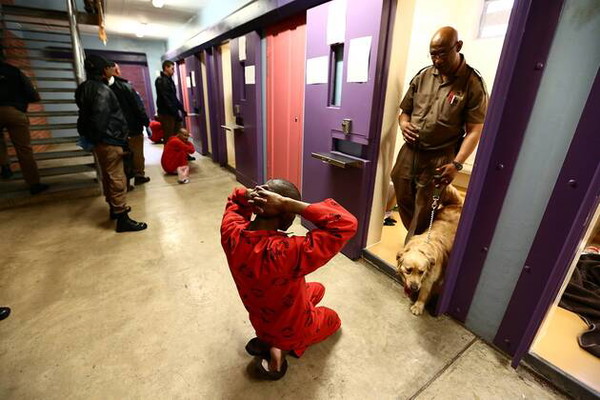
Daily life inside Ebongweni Super Maximum Prison is harsh and regimented, aimed at controlling behaviour while meeting basic needs. Inmates spend up to 23 hours a day in single cells, which are small and sometimes without windows. They get one hour for exercise in solitary yards or showers, always under guard. Meals, mail, and even toilet paper are passed through slots in the cell doors to avoid direct contact. This setup, while secure, has raised concerns about its impact on people. Reports describe it as amounting to solitary confinement, which can harm mental health over time. Inmates rely completely on staff for everything, creating a sense of total dependence. Despite these tough conditions, prisoners keep access to healthcare, legal help, family contact, and court processes as required by law. For outsiders, picturing this routine helps explain why Ebongweni is feared even by hardened criminals – it strips away freedom in ways that go beyond just being locked up.
Faces of Notoriety: Prominent Inmates Past and Present at Ebongweni
Ebongweni Super Maximum Prison has housed some of South Africa’s most infamous criminals over the years, earning its reputation as a home for the “worst of the worst.” Past and current residents include notorious figures like Ananias Mathe, a serial rapist and armed robber known for his violent crimes, and Radovan Krejcir, a Czech organised crime boss involved in major underworld activities. Other high-risk offenders, such as convicted Nigerian terrorist Henry Okah, have described the prison as the toughest they have faced. Placement here often depends more on behaviour inside prison than the original crime, meaning disruptive or violent inmates from other facilities end up at Ebongweni. George “Geweld” Thomas, a leader in the 28s gang, is another example of the type of person held here. These inmates fit a specific risk profile – those who threaten security or have a history of escapes. Understanding who lives behind these walls gives insight into why such extreme measures are in place.
Recent Developments: High-Profile Transfers Spark Debate at Ebongweni
In recent weeks, Ebongweni Super Maximum Prison has drawn fresh attention due to the transfers of two prominent figures. Convicted murderer and rapist Thabo Bester, who made headlines for faking his death and escaping from Mangaung Correctional Centre in 2023 before being recaptured in Tanzania, was moved from Kgosi Mampuru II Correctional Centre in Pretoria to Ebongweni on 30 January 2026. Officials say such moves are routine, based on security assessments to protect everyone involved. Earlier, on 21 December 2025, Vusimuzi “Cat” Matlala – a businessman facing attempted murder charges, with alleged ties to organised crime, government security contracts, and high-level police and political connections – was also shifted to the facility from Pretoria. His legal team has called the conditions a “nightmare,” arguing they hinder trial preparation, but authorities insist the transfer ensures stability. These events have reignited talks about prison management and whether such facilities truly prevent future crimes.
The Human Cost: Mental Health and Solitary Confinement in Ebongweni
While Ebongweni Super Maximum Prison excels in security, questions linger about its effects on inmates’ well-being. Prolonged isolation – with inmates in cells for most of the day – has been linked to serious mental health issues, like anxiety, depression, and even hallucinations. A seminar in March 2024 by the Judicial Inspectorate for Correctional Services explored how solitary confinement impacts both prisoners and staff. Reports from 2023/24 found that hundreds of inmates at Ebongweni and similar sites face conditions that amount to unlawful isolation, sometimes lasting years. One case involved a prisoner held alone for over nine years. Critics argue this goes against laws banning excessive solitary confinement, as highlighted by past commissions worried about turning prisons into places of endless punishment. For anyone trying to grasp the full picture, these details show the trade-off between safety and humanity in super maximum settings.
Towards Rehabilitation: Phases and Behaviour Modification at Ebongweni
Ebongweni Super Maximum Prison is not just about punishment; it includes a system aimed at changing behaviour. The detention regime is split into three phases – Phase I, II, and III – where inmates progress based on how they act. Starting in the strictest phase with the most restrictions, they can move to less severe ones by following rules and showing improvement. This progressive approach seeks to modify conduct through rewards like more privileges or group activities. However, the focus remains on control, with high-risk offenders carefully assessed before any changes. Well-maintained infrastructure and integrated security support these efforts, as praised in recent oversight reports. For those interested in rehabilitation, this structure offers a glimmer of hope that even the most dangerous can reform, though success depends on individual effort and support from staff.
National Implications: Ebongweni’s Role in South Africa’s Justice System
Ebongweni Super Maximum Prison plays a vital part in South Africa’s broader fight against crime and efforts to reform the correctional system. By isolating high-risk individuals, it helps maintain order in other facilities and protects society from potential threats. Yet, it also raises bigger questions about costs, human rights, and whether super maximum prisons are the best long-term solution. With no escapes and a clean record on contraband, Ebongweni sets a standard for security that other centres could learn from. As the country deals with organised crime and violent offenders, facilities like this one highlight the need for balance between tough measures and fair treatment. In the end, Ebongweni’s story is about more than just walls and locks – it reflects South Africa’s ongoing journey towards a safer, more just society.
🔴Central News Special Edition | Issue 122: Download the Latest Print and E-Edition | Suspended Ekurhuleni Deputy Chief Julius Mkhwanazi Vows ‘I Can’t Go to Jail and Leave My Kids’ Amid Blue Lights Saga Scrutiny 🔴
Download here⬇️⬇️⬇️
Read all our publications on magzter:
https://www.magzter.com/ZA/Central-News-Pty-Ltd/Central-News/Newspaper/All-Issues
Central News also offers Sponsored Editorial Content, Podcasts , Radio / Social Media Simulcast, Video Production , Live Streaming Services, Press Conferences, and Paid Interviews (Video/Audio) etc.
We guarantee exceptional exposure, reach, and engagement, with an excellent return on investment.
Advertisement:
To place your advert on our platforms (Print Newspaper or Digital Platforms) : Please email : sales@centralnews.co.za
For Business Related:
business@centralnews.co.za
Newsroom:
Send your Stories / Media Statements To: newsroom@centralnews.co.za
General Info:
info@centralnews.co.za
Office Administrator:
admin@centralnews.co.za
Whatsapp / Call: 081 495 5487
Website: https://www.centralnews.co.za
Social Media Platforms (@centralnewsza) : Linkedin, Facebook, Tiktok, Twitter, Instagram, Youtube