

EFF Questions IEC’s Credibility
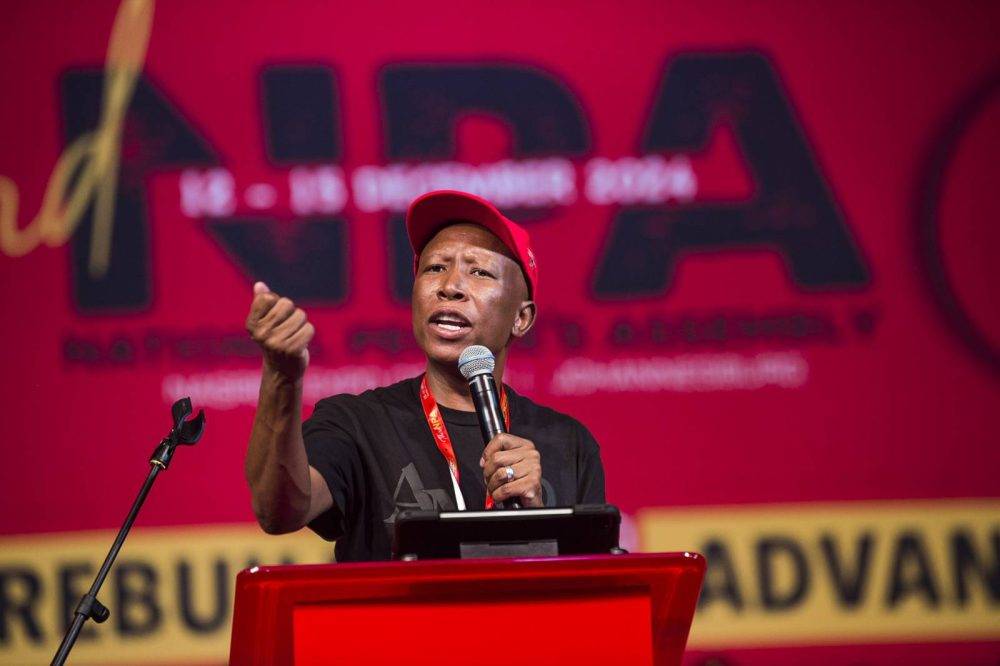
Boksburg, Gauteng – Tensions ran high on the second day of the Economic Freedom Fighters’ 2nd plenum of the 3rd National People’s Assembly at the Birchwood Hotel, where party leaders openly doubted the Independent Electoral Commission’s ability to run fair polls as the country gears up for the 2026 local government elections. Deputy President Godrich Gardee led the charge, calling out what he sees as deep flaws in the system that could undermine trust in the democratic process. With the assembly focused on reviewing the political landscape and planning ahead, Gardee’s strong words highlighted fears of fraud and mismanagement, urging immediate fixes to protect the integrity of future votes. This comes at a time when South Africans are already worried about past glitches in elections, making the call for change even more urgent for everyday voters who want their voices heard without doubt.
A Weekend of Reflection and Strategy
The EFF gathered leaders and members from across the country for this key meeting, aimed at taking stock of recent events and mapping out steps for the upcoming municipal polls set for later in 2026. These local elections will decide who runs towns and cities, handling everything from water supply to road repairs – issues that hit close to home for millions. On the first day, talks covered party structures and community outreach, but day two shifted to tougher topics like electoral fairness. Presentations from IEC officials on voting stats and boundary changes sparked heated debates, with Gardee stepping up to voice the party’s frustrations.
He did not mince words, pointing to real-life examples that he believes show the system’s weaknesses. For someone new to this, the IEC is the body in charge of all elections in South Africa, from national to local ones. It handles voter registration, ballot counting, and result announcements, and its job is to make sure everything is above board. But Gardee argued that without stronger checks, things could go wrong. “IEC, what are your control measures to ensure that there are no fraud in every elections we have?” he asked, drawing loud applause from the crowd. This question cuts to the heart of worries that votes might be tampered with, especially in close races where every ballot matters.
Specific Claims of Corruption and Oversight Gaps
Gardee went further, accusing IEC staff of overstepping in ways that erode public faith. “We are asking this question because the brazen attitude of IEC officials is at another level,” he said, suggesting a lack of humility or accountability in how they operate. He shared a personal story to back his point: “IEC’s corruption is so brazen. Even my son was registered to vote in the Northern Cape. If you remember that tweet I once tweeted, Noble Gardi registered to vote. Was it Northwest or Northern Cape? If you remember northwest.” This mix-up, he claimed, shows sloppy handling of voter rolls, where people end up listed in the wrong places, potentially opening doors to errors or worse.
Such issues are not new. In past years, there have been cases where voter lists leaked online, exposing personal details and raising privacy fears. Some electoral workers have even been caught and punished for stuffing ballots – adding fake votes to sway outcomes. These rare but serious slip-ups have led to calls for better training and tech to spot problems early. For the average person, this means wondering if their vote truly counts, especially in areas with high turnout or tight contests. Gardee’s remarks tie into broader patterns, like complaints during by-elections where parties reported odd delays in counting or mismatched numbers that fueled suspicions.
The High Cost of Democracy and Its Risks
Another big concern Gardee raised is the financial strain of running elections so often, which he says breeds corruption. South Africa’s setup has national and provincial votes every five years, with local ones in between, creating a cycle every two and a half years. “Fear in South Africa you are traumatizing every two and a half years… For example EFF don’t laugh EFF spent a billion rand in 2024 elections alone two and a half years later we’re going to local we that 2024 was local was national and provincial elections We spent a billion rand for example. 2 and a HALF YEARS LATER YOU ARE TAKING US TO OTHER ELECTIONS. Another 1 billion rand. And once we have finished the local government elections in November 2026, 2029 we’re going to ANOTHER NATIONAL ELECTIONS. ANOTHER billion rand. What must happen? What kind of of such an expensive democracy you are taking us through? Are you not able to tell government that this thing is just impossible? That is why political parties and polit and politicians will be so corrupt to finance this democracy every two and a half years,” he explained.
This paints a picture of parties scrambling for funds, sometimes from shady sources, just to keep up with campaign costs like posters, rallies, and ads. In 2024’s national elections, for instance, reports showed millions poured in from donors, but rules on transparency are still new and not always followed perfectly. Gardee’s point is that the IEC should push for changes, like spacing out polls or finding cheaper ways to vote, to cut down on these pressures. For voters, this matters because corrupt funding can mean leaders who owe favours to big-money backers instead of serving the people.
Past Grievances and Calls for Reform
The EFF has a track record of challenging the IEC, going back to disputes over appointments of commissioners. In late 2025, the party objected to choices like Mosotho Moepya and Judge Dhaya Pillay, arguing they might not be impartial. They also slammed plans for digital voting as too rushed and risky, fearing hacks or glitches that could mess with results. In by-elections, EFF teams spotted what they called systemic issues, like faulty scanners at polling stations that led to complaints about vote accuracy.
These worries echo wider talks in South Africa about making elections stronger. Low voter turnout, especially among young people, and misinformation spread online – even using fake AI news – have been flagged as threats. Remote areas often face barriers like poor roads delaying ballot boxes, while some push for online systems to include more voices. The Chief Justice has even warned about certain candidates for IEC roles, but Parliament went ahead anyway, adding to doubts from groups like the EFF and others.
What This Means for the 2026 Polls and Beyond
As the assembly wraps up with EFF leader Julius Malema set to speak on the final day, the focus remains on building a fairer system. Gardee’s push for the IEC to fix gaps – from better fraud checks to clearer rules – aims to rebuild confidence before November’s local elections. For ordinary South Africans, this is about more than politics; it’s ensuring their say in who fixes potholes or provides jobs counts equally. If ignored, these concerns could lead to lower turnout or protests, weakening the hard-won democracy since 1994.
In a country still healing from past divisions, a trusted IEC is key to unity. Parties like the EFF are calling for action now, so that when voters line up in 2026, they do so with full belief in the process. As Gardee put it, the stakes are high, and every flaw left unchecked could cost the nation dearly.
🔴Central News Special Edition | Issue 122: Download the Latest Print and E-Edition | Suspended Ekurhuleni Deputy Chief Julius Mkhwanazi Vows ‘I Can’t Go to Jail and Leave My Kids’ Amid Blue Lights Saga Scrutiny 🔴
Download here⬇️⬇️⬇️
Read all our publications on magzter:
https://www.magzter.com/ZA/Central-News-Pty-Ltd/Central-News/Newspaper/All-Issues
Central News also offers Sponsored Editorial Content, Podcasts , Radio / Social Media Simulcast, Video Production , Live Streaming Services, Press Conferences, and Paid Interviews (Video/Audio) etc.
We guarantee exceptional exposure, reach, and engagement, with an excellent return on investment.
Advertisement:
To place your advert on our platforms (Print Newspaper or Digital Platforms) : Please email : sales@centralnews.co.za
For Business Related:
business@centralnews.co.za
Newsroom:
Send your Stories / Media Statements To: newsroom@centralnews.co.za
General Info:
info@centralnews.co.za
Office Administrator:
admin@centralnews.co.za
Whatsapp / Call: 081 495 5487
Website: https://www.centralnews.co.za
Social Media Platforms (@centralnewsza) : Linkedin, Facebook, Tiktok, Twitter, Instagram, Youtube